



24/11/2025
6 Methods for Fixing Roof Leaks in Industrial Workshops
Vietnam’s weather, with heavy rainfall during the rainy season, can significantly impact buildings constructed with metal roofing sheets. If the roofing system is not properly installed or lacks adequate maintenance, it can lead to serious damage. Therefore, reinforcing metal roofs with appropriate anti-leak solutions from the beginning will help increase durability and improve resistance to harsh weather conditions.
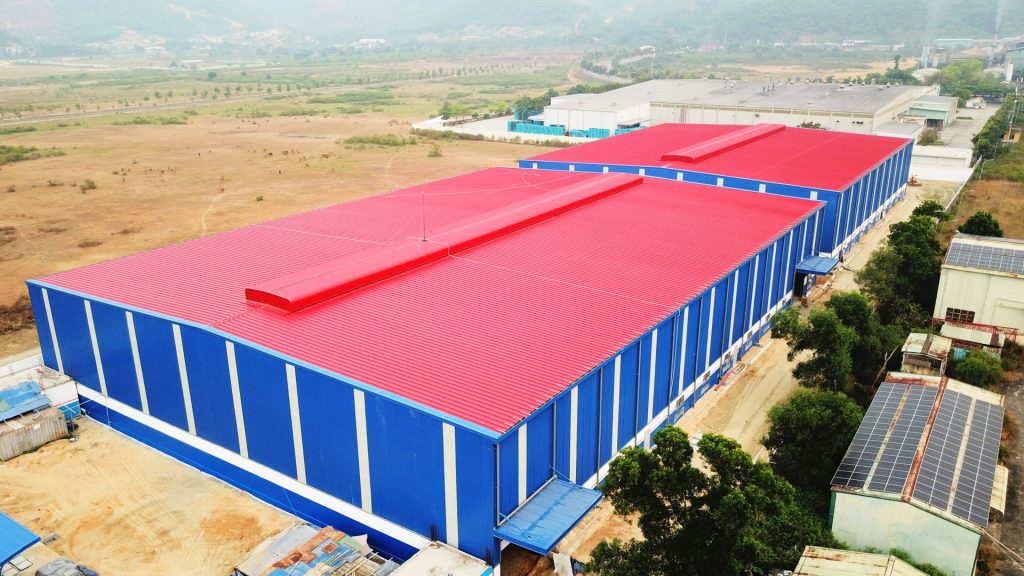
Industrial buildings using metal roofing
Causes of Metal Roof Leakage
Below are some common causes of leaks in metal roofing:
- Poor-quality installation during construction.
- Using low-quality roofing sheets that deteriorate quickly.
- Long-term corrosion caused by prolonged exposure to rainwater.
- Water seeping through screw holes over time.
- Scratches during transportation and installation that later rust and create holes.
- Falling debris from above—such as branches or items dropped from nearby tall buildings—damaging the roof.
- Water overflow at joint waves where roofing sheets overlap.
- Leakage at the boundary between two adjacent roofs.
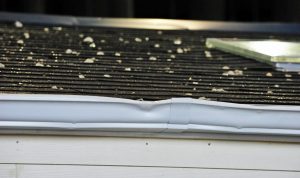
How to Effectively Fix Leaks in Industrial Metal Roofs
The first step is to identify the exact locations of leaks. This allows you to choose the most suitable and cost-effective method. Below are some tips to help locate leaking points:
- Inspect visually with the naked eye.
- Check all areas of the roof you suspect may be leaking.
- Observe from below to determine drip points.
- Check whether screws are worn or corroded.
- Look for areas with severe rust.
- Always identify the exact leaking point before taking corrective action.
6 Methods to Fix Industrial Metal Roof Leaks
1. Replace Rusted Screws and Reinforce Loose Fasteners
If roofing screws or bolts are damaged, they must be replaced. Remove old screws using the proper tools and install new ones one by one.
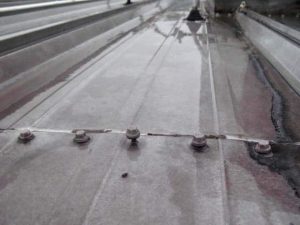
Do not remove multiple screws at once, as this can shift the roof sheets and create new problems.
If screw holes have expanded, use sealant or waterproof tape to cover them. Apply silicone around rafters and screw points to ensure complete sealing—this is a low-cost yet effective method.
2. Fix Leaks at Sunken or Perforated Areas (Wave Crest or Trough)
Roof leak repair – Metal roofing sheet punctured in the middle of the panel
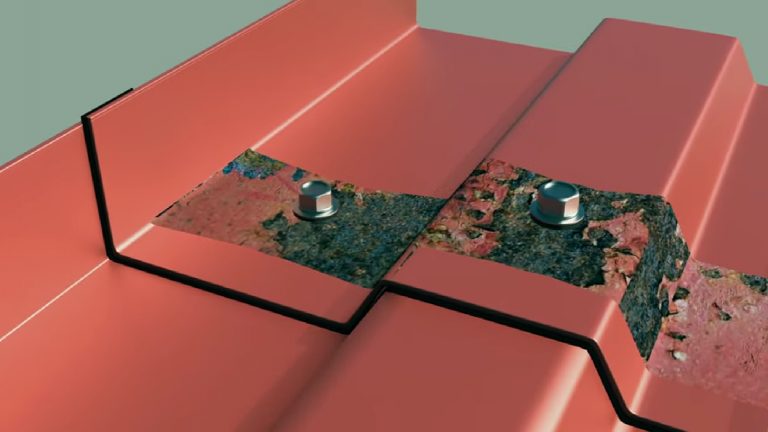
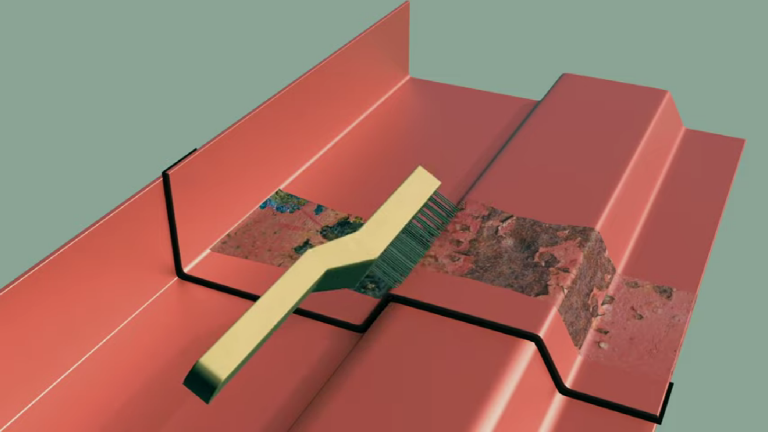
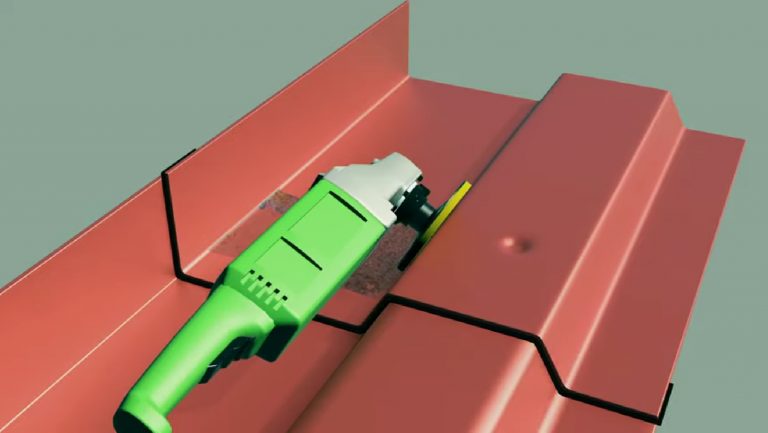
Handling punctures located in the middle of the roofing sheet waves: Many cases of roof perforation occur in the center of the sheet due to careless screw installation during construction, or scratches caused during transportation that later corrode and create holes.
Solutions:
Small holes: Apply silicone or adhesive waterproof tape.
-

- Mái tôn bị rỉ sét
-
- Vệ sinh bề mặt mái tôn
-

- Vệ sinh bề mặt mái tôn
Larger holes (5–10 cm):
– Clean the surface thoroughly.
– Apply a large waterproof membrane (temporary 1–2 years), or
– Fasten a small metal patch over the hole using screws or rivets and apply sealant around the edges for long-term durability.
This is one of the most common and effective repair methods.
3. Fix Leaks at Overlapping Roof Joints
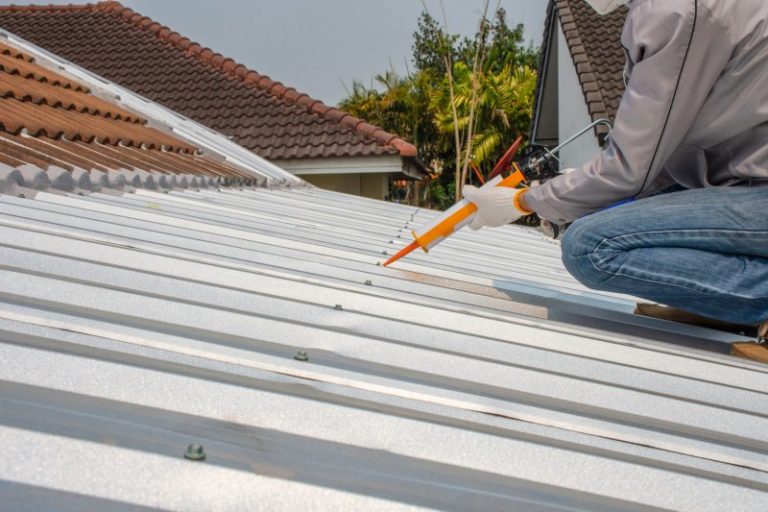
Re-tighten or add screws and reinforce with waterproof sealant.
These joints are where two sheets overlap. Over time, wind and rain can loosen screws or lift the sheet edges, causing water to flow backward into the joints.
4. Fix Leaks Caused by Deformed or Sunken Roof Waves
If the roofing sheet is bent, creating a low spot where water collects:
Solution:
– Drill a screw at the crest of the sunken wave.
– Use a wire to pull the bent section back to its original shape.
– Do this slowly and avoid stepping on the weakened area.
– Add a 3 cm metal support beneath the dent to prevent it from sinking again.
5. Fix Leaks at Roof-to-Wall Junctions or Between Two Roofs
If your roof leaks at these junctions, you can apply either of the following:
- Waterproofing the metal roof at the wall joint: Use a cement–mortar mixture to fill and seal the gap between the two buildings to prevent rainwater from flowing into the joint.
- Use waterproofing tape for metal roofs to seal the joint between the two houses, or use metal sheets (1000 mm / 2000 mm) cut in half to 500 mm, then fasten them securely with nails or roofing screws to prevent wind uplift. This method fully resolves leaks at the roof-to-roof joint — highly effective and easy to apply, especially for metal roof repairs during the rainy season.
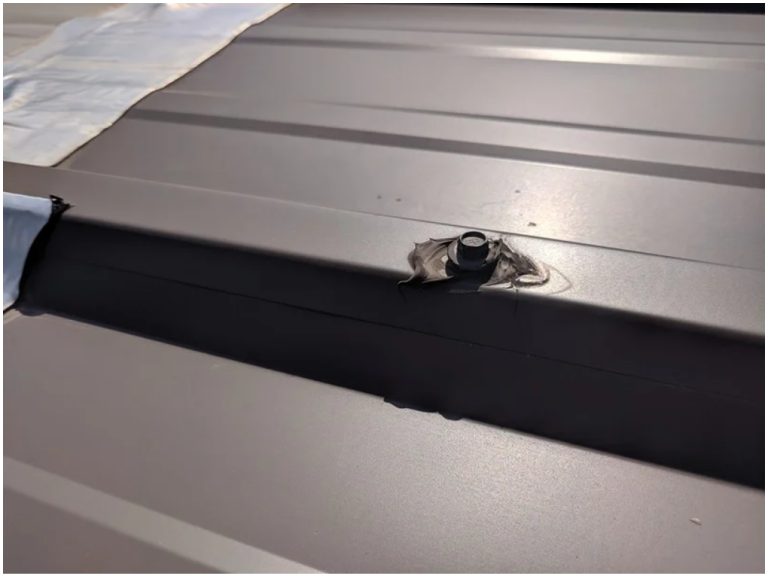
Using sealant in leak prevention
6. Repair leaks caused by acid corrosion from rainwater
Before applying anti-rust paint, clean the roof surface thoroughly. Then use a spray gun or brush to apply oil-based paint, helping protect the roof from corrosion.
Common Materials Used for Metal Roof Leak Prevention
Depending on the actual condition of your metal roof, you can choose suitable waterproofing materials for metal roofs, tile roofs, or fiber-cement roofs. Below are some commonly used materials:
- Metal roof waterproofing tape
- Leak prevention using gasoline mixed with foam
- Silicone sealant for metal roofs
- Anti-leak metal flashing sheets
- Specialized roofing screws
- Waterproofing membrane for metal roofs
- Self-adhesive waterproofing sheets for metal roofs
Contact information:
HA GIANG PHUOC TUONG MECHANICAL JSC (HGPT Steel)
Address: Street No. 8, Hoa Cam Industrial Zone, Hoa Tho Tay Ward, Cam Le District, Da Nang City
Hotline: 0949.386.113
– Mail: tender@hgpt.vn – Website: https://hgptsteel.com/
– Fanpage: https://www.facebook.com/HGPTMechanicalJSC
Subscribe to HGPT STEEL Newsletter
Get the latest updates on projects, products, and company activities from HGPT STEEL. Take a look
FEATURED POSTS

10/02/2026
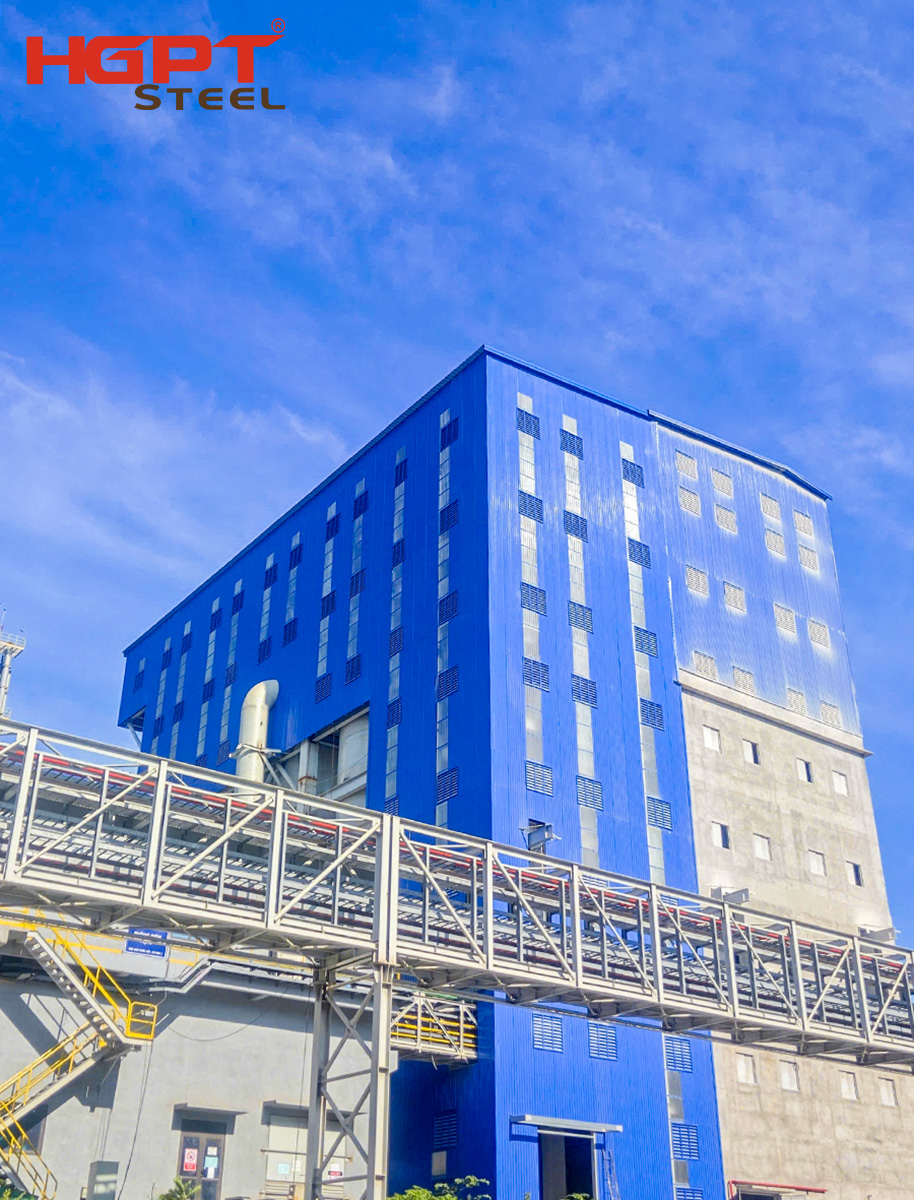
COMPLETING ONE OF THE TALLEST STEEL STRUCTURE BUILDINGS AT THE HOA PHAT DUNG QUAT PROJECT
HGPT Steel has officially completed the contract for the fabrication and erection of the steel structure for Block 3 – Lime Workshop at Hoa Phat Dung Quat. As one of the tallest steel structure buildings within the project, the 8-story steel workshop, with a total weight of over 1,100 tons, required a high level of precision in both fabrication and installation.
06/02/2026
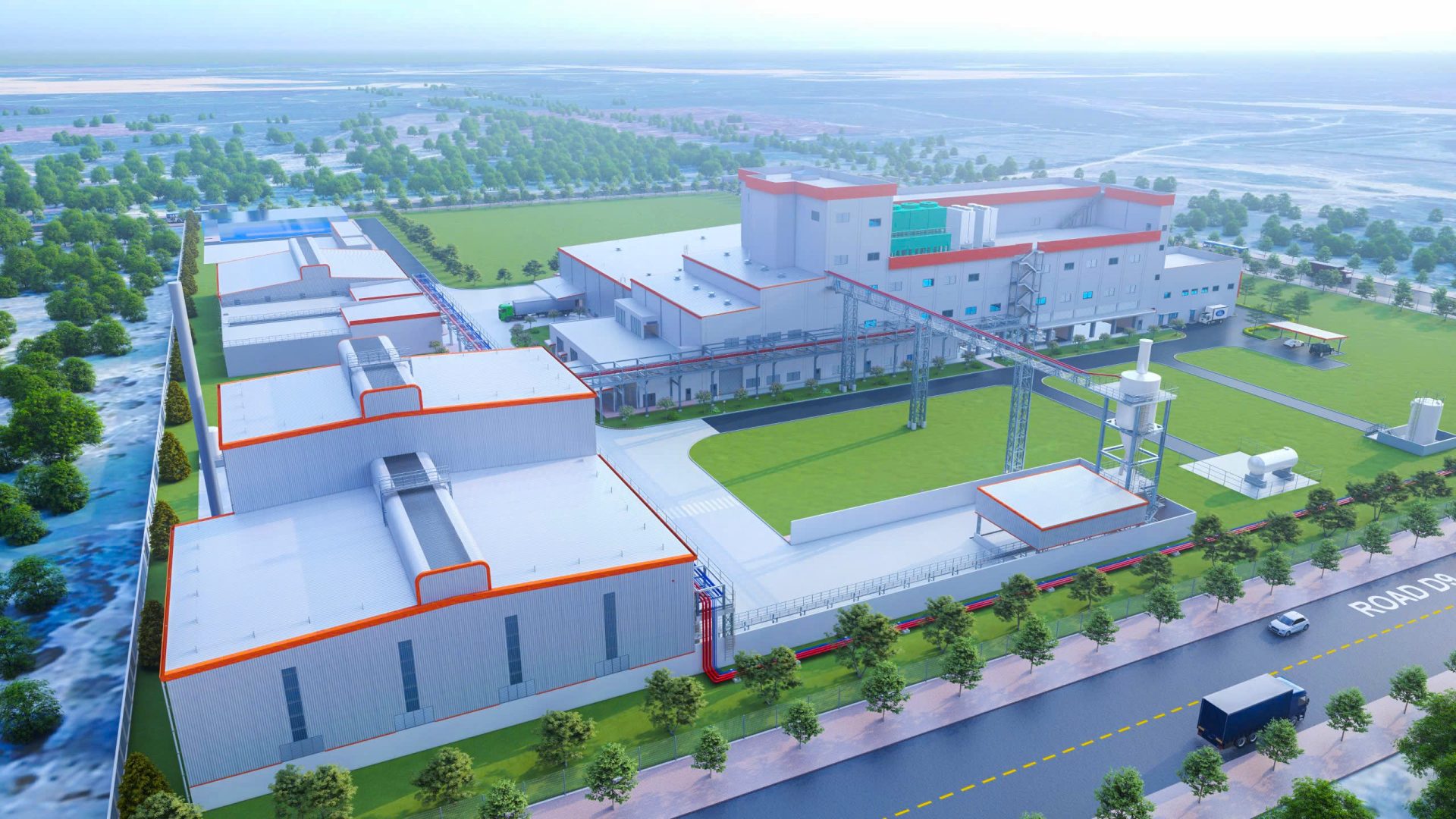
HGPT STEEL KICKS OFF A PROMISING 2026 WITH AN FDI PROJECT
Entering 2026, HGPT STEEL continues to affirm its position by launching an FDI project – the Freeze-Dried Coffee Factory at Becamex Binh Dinh Industrial Park. This milestone marks a significant achievement, demonstrating HGPT STEEL’s capability, credibility, and extensive experience in the manufacturing and erection of pre-engineered steel buildings.
Read this post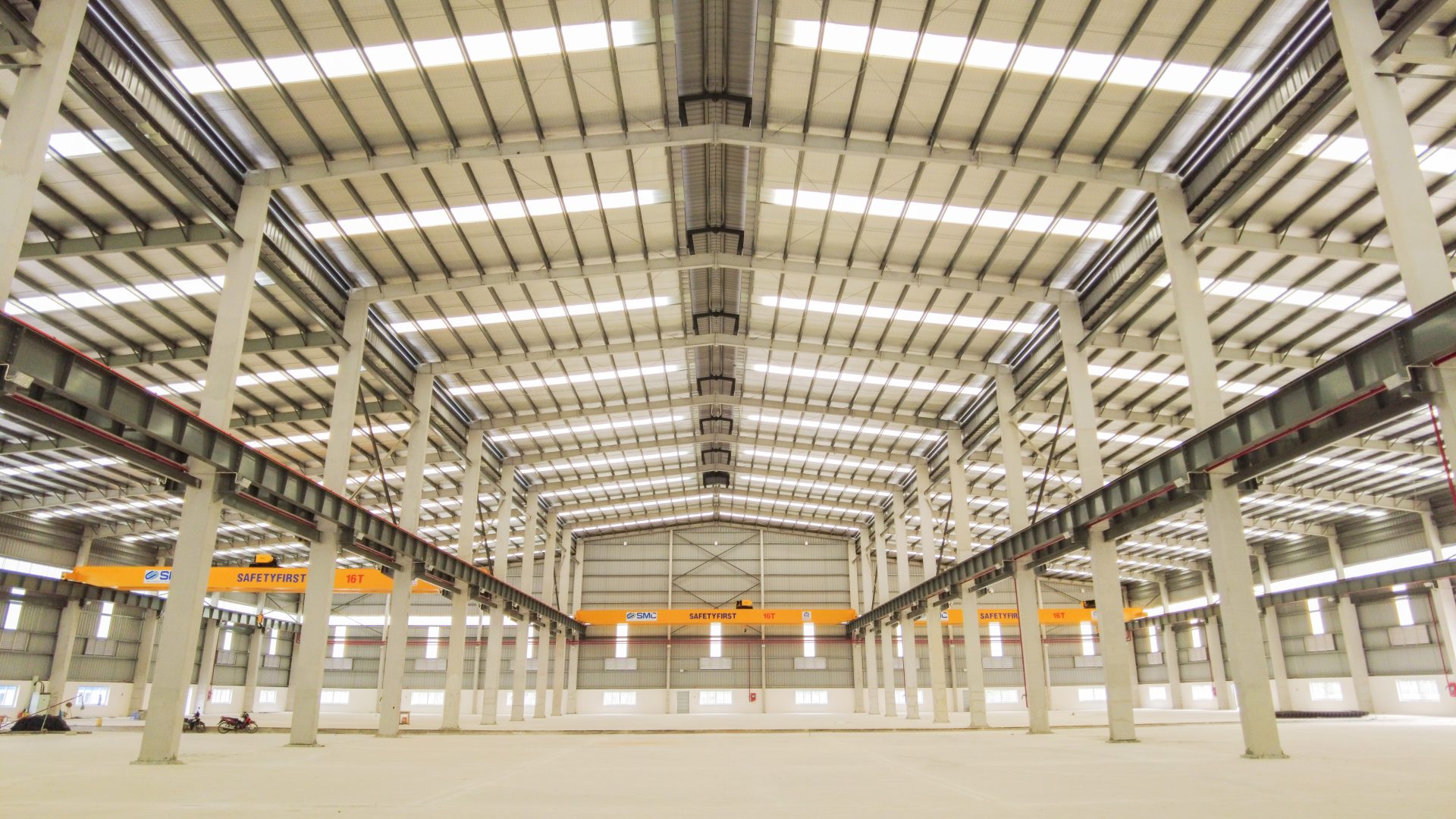
23/09/2025
05 STANDARD STEPS FOR ERECTING A PRE-ENGINEERED STEEL BUILDING
Pre-engineered steel buildings are one of the most efficient construction methods in terms of both schedule and cost. With a construction time reduced to just one-third compared to conventional reinforced concrete structures, the fabrication and erection process of a pre-engineered steel building goes through five main stages: foundation bolt installation, main frame erection, roof sheeting installation, wall sheeting installation, and finishing works.
Read this post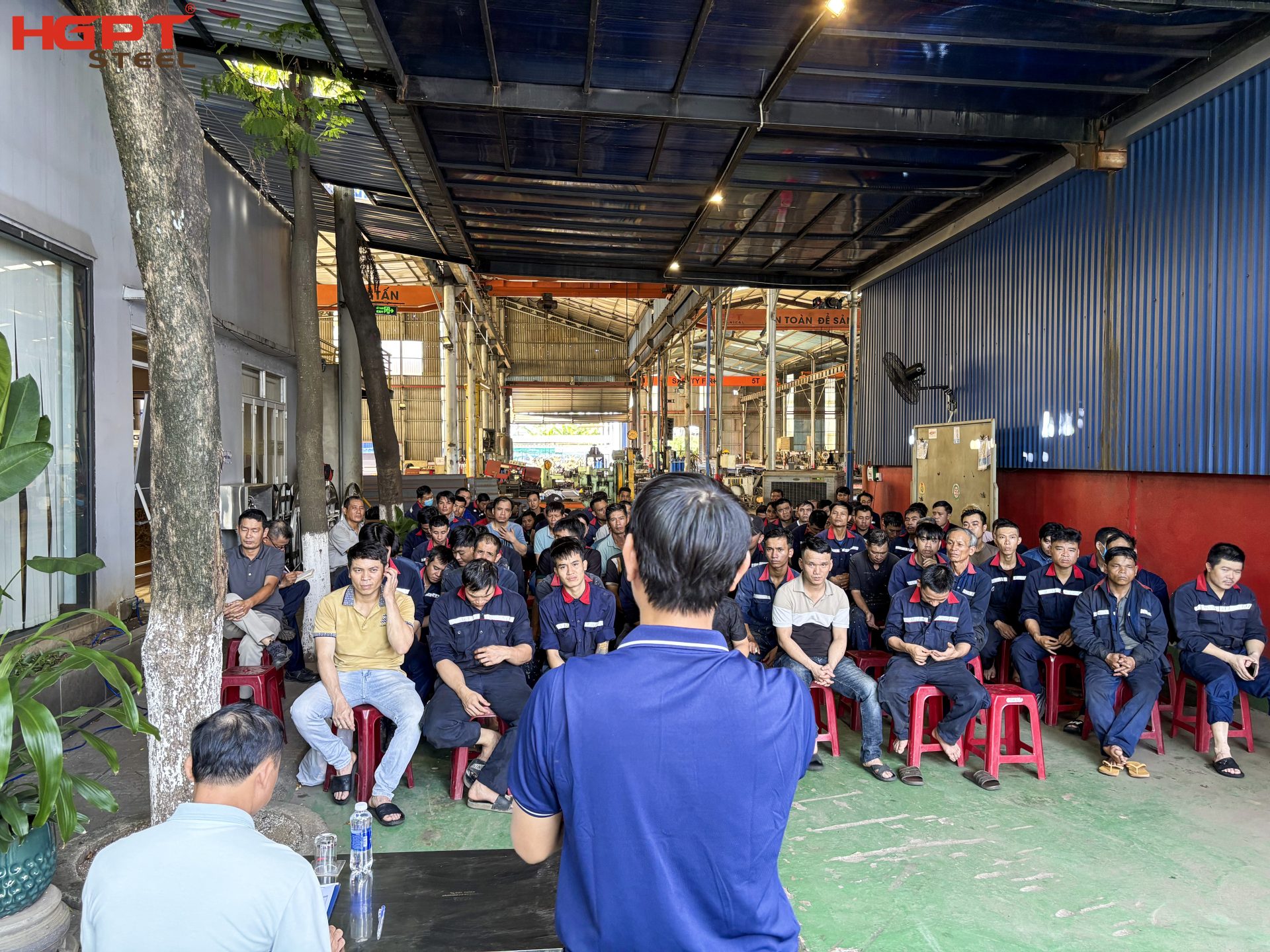
16/09/2025
Kaizen – 5S awareness training session at HGPT Steel
At HGPT Steel, we believe that a neat, clean, and well-organized factory is the foundation of a safe and productive working environment. Therefore, on September 13, the Occupational Safety – 5S Committee, in collaboration with the Kaizen Team, organized an awareness training session for all production staff on the significance and importance of 5S in creating an effective workplace.
Read this post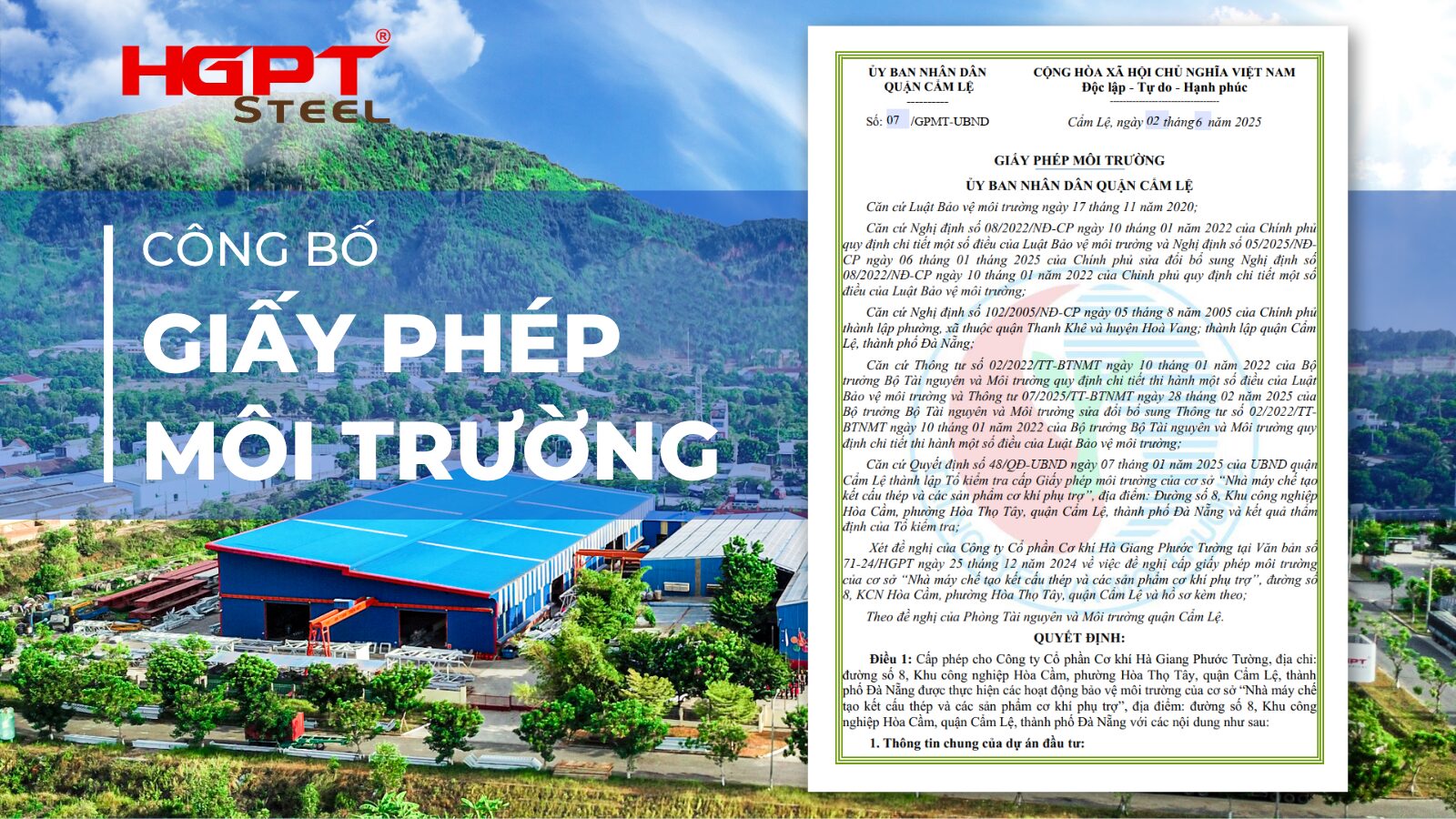
20/05/2025
HGPT is granted environmental license: Strong proof of sustainable production
The issuance of the Environmental Permit affirms HGPT’s strict compliance with local regulations at the factory site, while also recognizing the company’s continuous efforts to operate in a sustainable and environmentally responsible manner. This achievement contributes to improving the quality of the workplace and protecting the health of our employees.
Read this post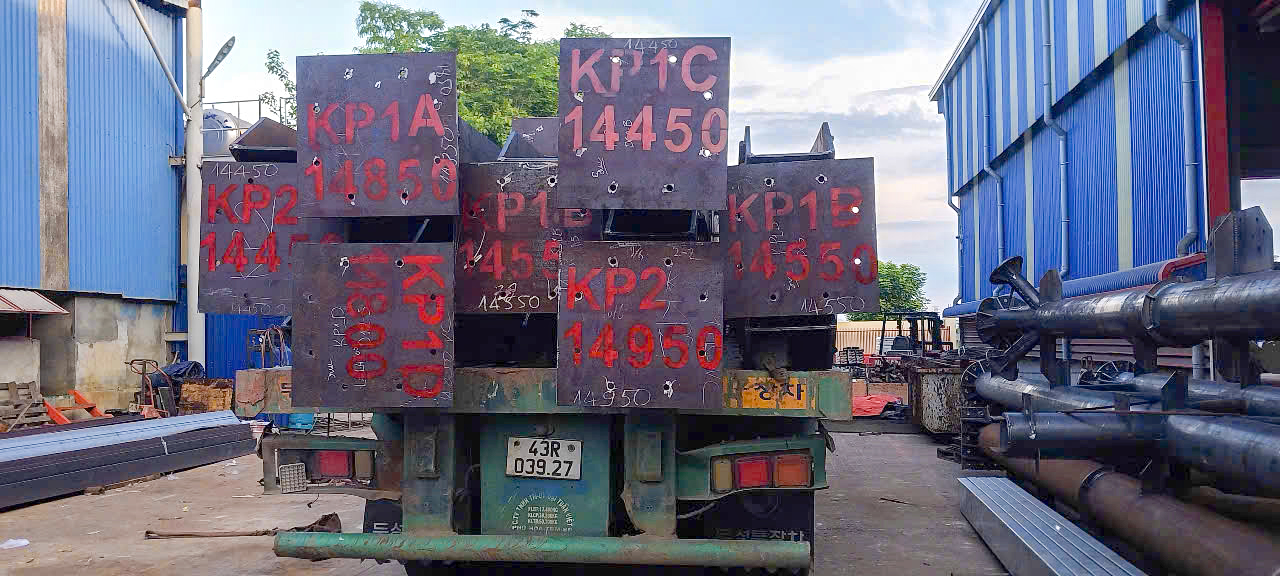
20/05/2025
AFFIRMING LOCATION – HGPT PROVIDE KINGPOST FOR THE LEGEND CITY DA NANG SUPER PROJECT
Keeping pace with the dynamic construction market in Da Nang, HGPT has once again been trusted as the steel structure supplier for the Kingpost package of The Legend City Da Nang project.
Read this post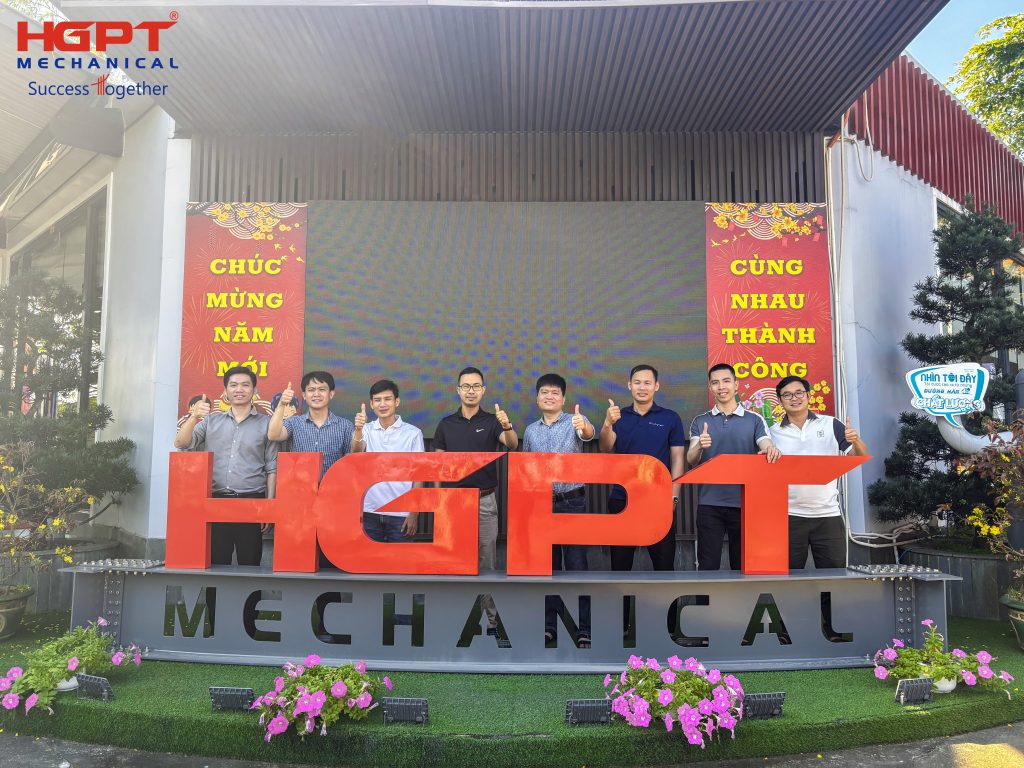
20/05/2025
IMPROVE THE CAPACITY OF TECHNICAL TEAM WITH THE COURSE ON STEEL STRUCTURAL DESIGN CALCULATION ACCORDING TO AMERICAN STANDARDS
In February, HGPT’s Engineering Department participated in an intensive training course on steel structure design calculations based on American standards. The course was directly instructed by Mr. Do Van Hiep – a structural design engineer with 12 years of experience in steel structures both in Vietnam and internationally, who has also trained hundreds of engineers.
Read this post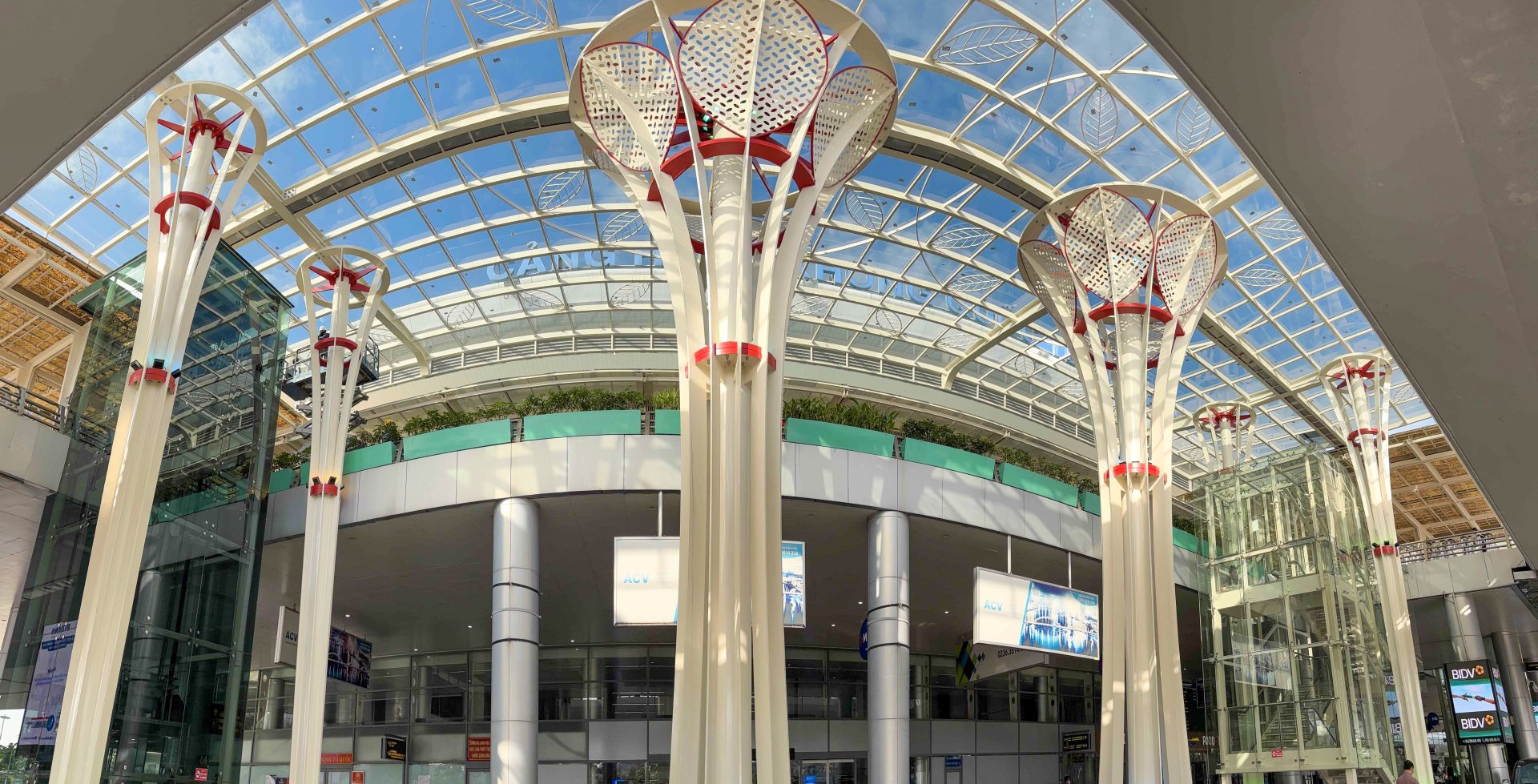
20/05/2025
INSTALLATION OF DECORATIVE FLOWER BED STEEL STRUCTURE AT DA NANG INTERNATIONAL AIRPORT
Over the past two months, HGPT Mechanical’s team of engineers and workers has been tirelessly perfecting every detail of the steel structures for the “Renovation of the T1 Terminal Entrance Area” at Da Nang International Airport, and is currently in the process of installing the first "steel flower" elements.
Read this post
20/05/2025
English communication skills – Expand export future
Over the past three months, HGPT Steel has organized English communication classes with foreign teachers, equipping our employees with confidence and skills to expand their personal development opportunities. This is also the first step in bringing our company’s products to conquer international markets!
Read this postRelated news

19/01/2026
5 Most common applications of Pre-Engineered Steel Buildings
Pre-engineered steel buildings (PEBs) are structures that use steel frames designed and fabricated in factories, then transported to the construction site for complete installation. This solution is increasingly popular thanks to fast construction time, optimized costs, and flexible expansion capabilities.

15/01/2026
Applications of Pre-Engineered Buildings in warehouses and factories
Learn how pre-engineered buildings are widely used in warehouses and factories, offering fast construction, durability, flexibility, and cost efficiency.
Read this post
07/01/2026
Pre-Engineered Building in Vietnam: A smart choice for Industrial growth
Vietnam is experiencing rapid industrialization, driven by foreign investment, expanding industrial parks, and growing manufacturing capacity. This fast-paced development requires construction solutions that are not only reliable but also time-efficient and cost-effective. In this context, pre-engineered buildings in Vietnam have become a preferred choice for factories, warehouses, logistics centers, and commercial facilities.
Read this post
16/12/2025
What Is a Pre-Engineered Building? Benefits, Cost, and Uses
In recent years, the pre-engineered building has become one of the most popular construction solutions worldwide, especially in industrial and commercial projects. Thanks to its optimized design, fast construction time, and cost efficiency, this building system is gradually replacing traditional concrete structures in many applications.
Read this post
02/12/2025
What Is a Hanger System? Applications of Hanger Systems in Assembly Lines
A hanger system is a mounting frame used to hang and transport machine bodies, automotive bodies, etc. along a conveyor line. It is typically a key component of an overhead conveyor system in modern manufacturing and assembly lines.
Read this post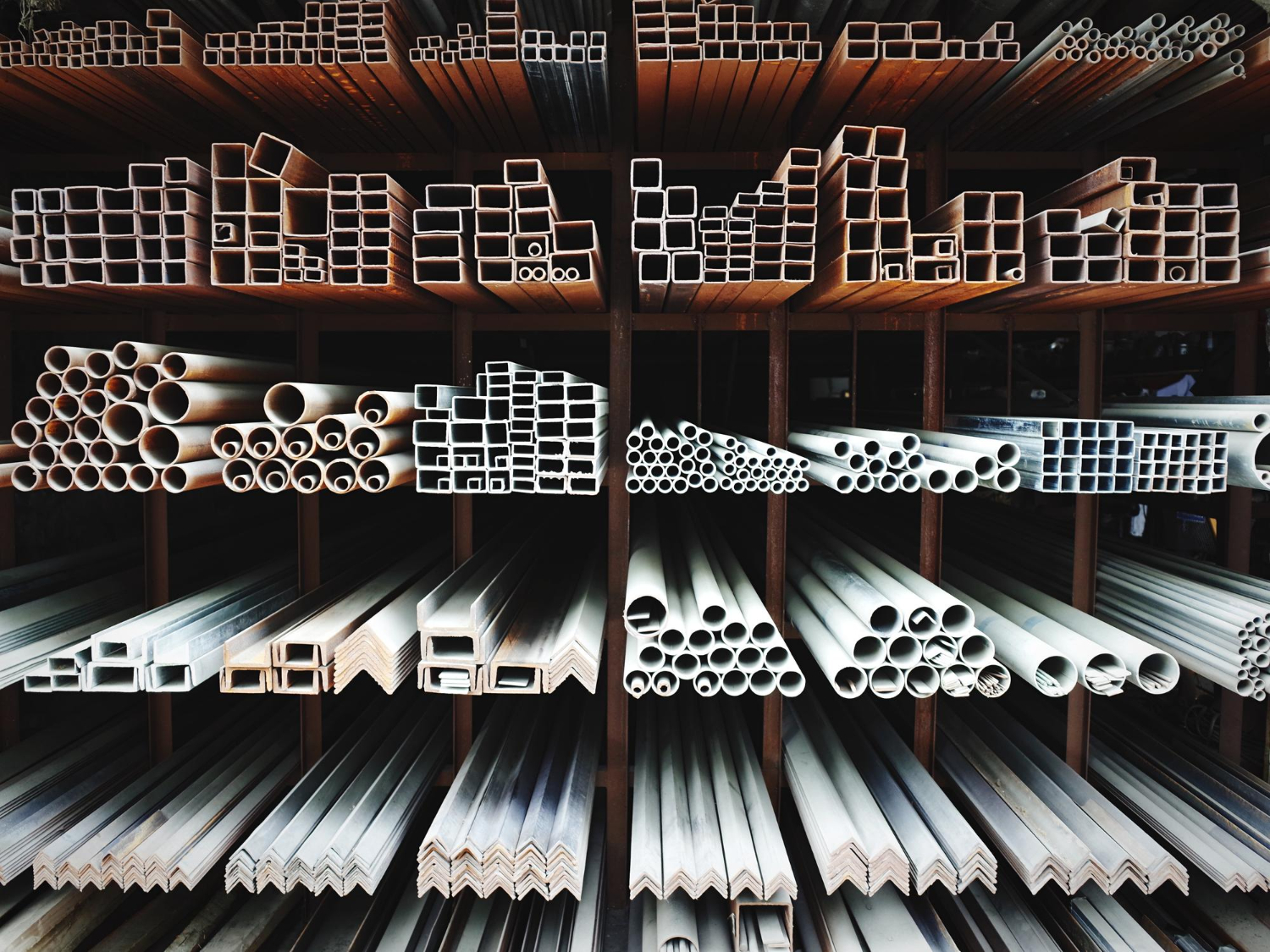
25/11/2025
The Most Common Structural Steel Shapes Today – Advantages and Applications
In the fields of construction and mechanical engineering, structural steel shapes play a vital role. From residential buildings and pre-engineered steel structures to large-scale industrial projects, these steel profiles appear in nearly all key load-bearing positions.
Read this post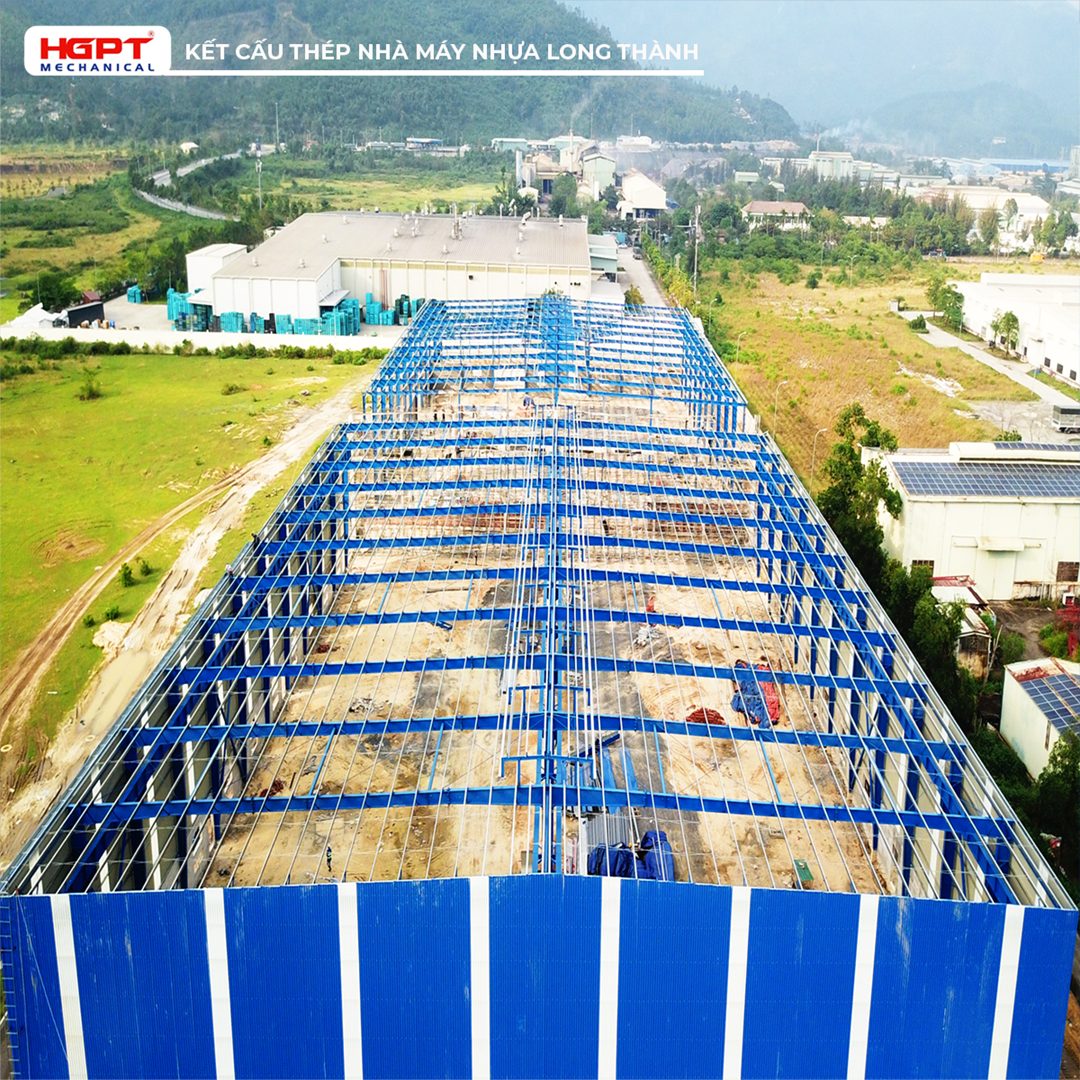
05/11/2025
Overview of Envelope Structure Systems for Factories and Industrial Buildings
Industrial factories are typically constructed using pre-engineered steel structures. In addition to the load-bearing steel frame, the building envelope system is an essential component.
Read this post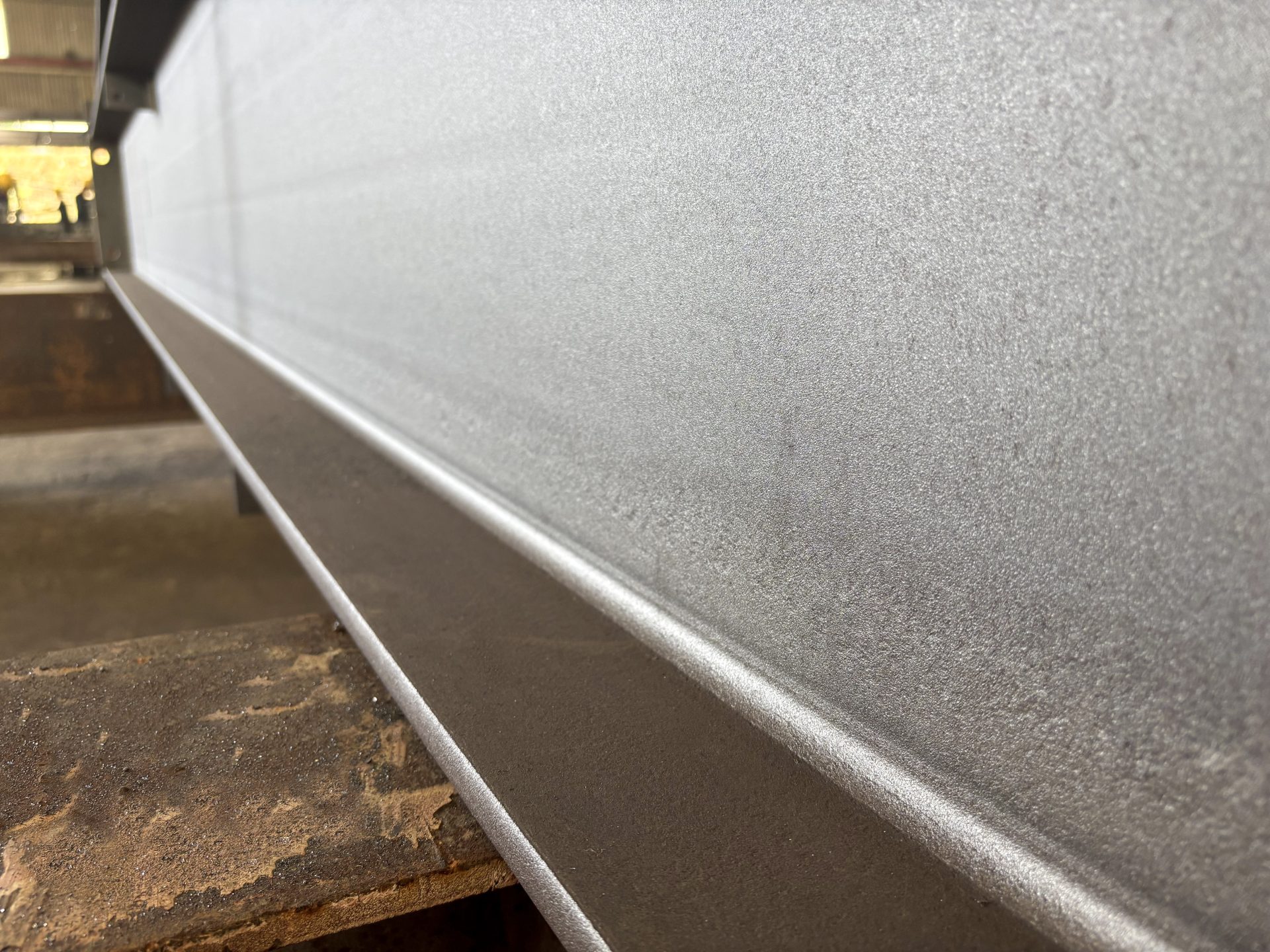
21/10/2025
SHOT BLASTING – SURFACE PREPARATION OF STEEL STRUCTURES BEFORE PAINTING AT HGPT STEEL
Surface preparation is a critical stage in the construction and maintenance of steel structure projects. Proper surface treatment ensures not only the aesthetics but also the durability and corrosion resistance of steel components.
Read this post
CONTACT US NOW
We are committed to partnering with businesses, contractors, and investors to deliver projects of quality – sustainability – and on schedule.


